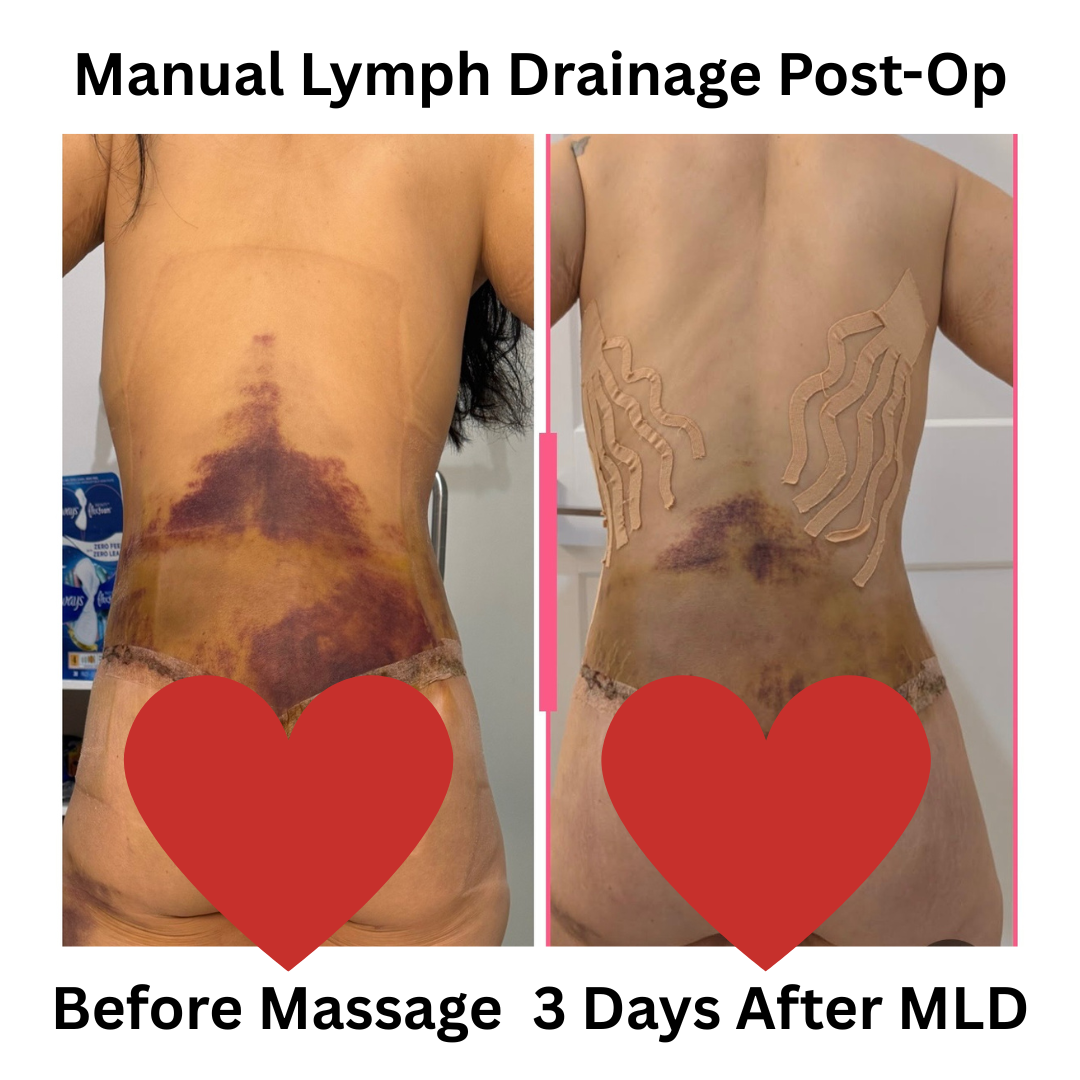
When it comes to optimizing recovery after plastic surgery, every tool in your healing arsenal matters. I’ve witnessed firsthand how lymphatic taping can dramatically improve surgical outcomes and patient comfort.
If you’re preparing for or recovering from plastic surgery, understanding lymphatic taping could be the key to faster healing, reduced swelling, and better long-term results.
Lymphatic taping, also known as lymph taping or kinesiology taping for lymphatic drainage, is a specialized technique that uses elastic therapeutic tape to support your body’s natural lymphatic system. Unlike traditional athletic taping, lymphatic tape is applied with minimal tension and specific patterns designed to lift the skin and create space for lymphatic fluid to flow more freely.
The tape works by:
During plastic surgery, your lymphatic vessels—the tiny channels responsible for draining excess fluid and waste from tissues—can become damaged or temporarily disrupted. This disruption often leads to:
Your lymphatic system is essentially your body’s drainage network. When it’s compromised after surgery, supporting it becomes crucial for optimal recovery.
Research shows that lymphatic taping can significantly improve post-surgical outcomes by:
The tape’s unique application creates a lifting effect on the skin, reducing pressure on underlying lymphatic vessels and allowing improved fluid movement.
The gentle, continuous stimulation from the tape activates mechanoreceptors in the skin, which can help reduce pain perception and promote healing responses.
By reducing tissue pressure and supporting natural movement patterns, lymphatic taping enhances both lymphatic and blood circulation in the treated area.
Unlike manual lymphatic drainage sessions, properly applied lymphatic tape provides continuous support for 3-5 days, maximizing therapeutic benefits.
Lymphatic taping helps move excess fluid away from surgical sites more efficiently, leading to faster resolution of post-operative swelling and bruising.
The neurological effects of proper taping can provide natural pain relief, potentially reducing dependence on pain medications.
By supporting healthy tissue drainage and reducing tension on healing incisions, lymphatic taping may contribute to better scar formation.
The supportive yet flexible nature of the tape allows for gentle movement while protecting healing tissues.
Patients who incorporate lymphatic taping into their recovery protocol often experience shorter recovery times and faster return to daily activities.
While lymphatic taping might look simple, proper application requires specialized training and understanding of:
As someone certified in the Vodder method of Manual Lymphatic Drainage and with extensive post-operative care experience, I understand how to customize taping protocols for each patient’s unique surgical procedure and healing progress.
Every taping session begins with evaluating your surgical sites, swelling patterns, and current healing status to determine the most effective taping strategy.
Tape placement varies based on your specific procedure, drainage patterns, and individual anatomy. The process is gentle and typically takes 15-30 minutes.
Properly applied lymphatic tape should feel comfortable and supportive, not restrictive. You can shower, sleep, and perform gentle activities while wearing the tape.
Lymphatic tape typically stays in place for 3-5 days, providing continuous therapeutic benefits between your manual lymphatic drainage sessions.
Lymphatic taping works best as part of a comprehensive post-operative care protocol that includes:
While lymphatic taping is generally safe, certain conditions require special consideration:
This is why working with a qualified professional who understands both surgical recovery and lymphatic taping is essential.
At Hummingbird Massage and Wellness, I combine my 20+ years of nursing experience with specialized post-operative care training to provide comprehensive recovery support. My approach to lymphatic taping includes:
The timing of lymphatic taping depends on your specific procedure and surgeon’s recommendations. Generally:
To get the most benefit from lymphatic taping:
Recovery from plastic surgery doesn’t have to be a journey you navigate alone. With the right combination of professional expertise, proven techniques like lymphatic taping, and comprehensive post-operative care, you can achieve the beautiful results you’ve invested in while minimizing discomfort and complications.
Remember, every day of proper post-operative care is an investment in your long-term results. Lymphatic taping is just one powerful tool in supporting your body’s natural healing process and helping you achieve the outcome you’ve dreamed of.
Ready to optimize your plastic surgery recovery with expert post-operative care?
Contact Hummingbird Massage and Wellness to learn more about how lymphatic taping and comprehensive post-op protocols can support your healing journey. I’m here to guide you toward your best possible recovery.
Schedule your consultation today and take the first step toward faster, more comfortable healing.
– Stephanie Hofmeister, RN, LMT, C-MLD