Your Complete Guide to Compression Garments After Plastic Surgery
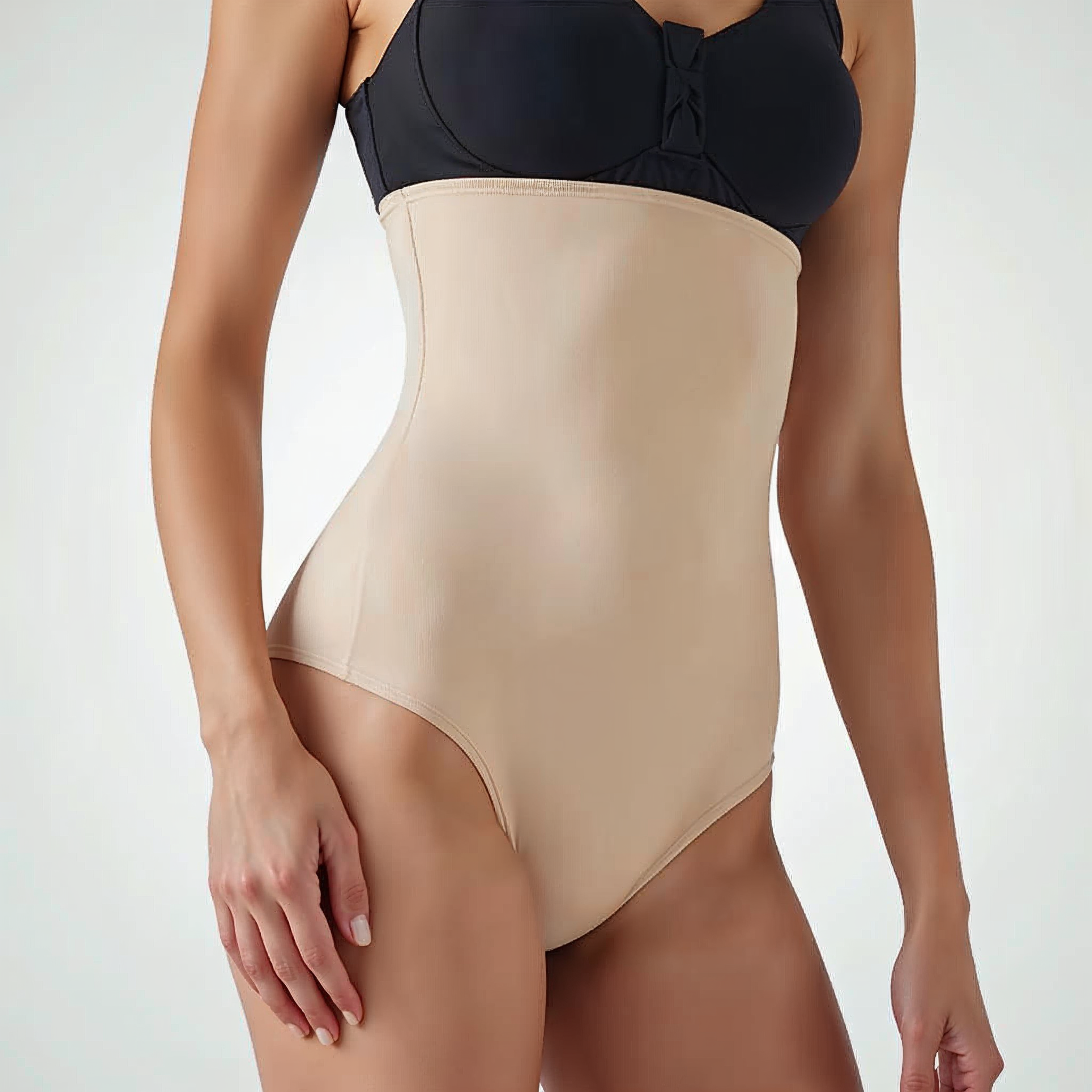
If you’re recovering from plastic surgery, your compression garment is going to be your best friend. These specially designed garments are essential for proper healing – they reduce swelling, boost circulation, and help you get the best results from your surgery. Here’s everything you need to know about using them effectively.
Why Compression Garments Matter
They Fight Swelling After surgery, your body naturally swells as part of the healing process. Compression garments apply gentle, steady pressure that:
- Prevents fluid buildup in tissues
- Supports your lymphatic system in removing excess fluids
- Keeps inflammation under control
- Helps you feel more comfortable during recovery
They Support Healing Think of your compression garment as a gentle hug that:
- Holds tissues in the right position while they heal
- Protects your surgical site from accidental bumps or strain
- Helps maintain your new body contours
- Reduces the risk of complications
Research shows that patients who wear their compression garments consistently heal faster and have better results overall.
How to Choose the Right Garment
Material Matters Look for garments made from:
- Breathable fabrics that won’t trap moisture
- Hypoallergenic materials if you have sensitive skin
- Durable fabric that maintains compression over time
Get the Right Compression Level Your surgeon will recommend the appropriate compression level based on:
- Your specific procedure
- Your healing progress
- Your comfort level
Never guess – always follow your surgeon’s recommendations.
Consider Your Surgery Type Different procedures need different garments:
- Tummy tuck: Full abdominal binder
- Liposuction: Area-specific garments
- Breast surgery: Surgical bras or vests
- Arm/thigh lifts: Sleeve or leg garments
Getting the Perfect Fit
Measurements Are Key
- Get professionally measured when possible
- Take measurements when swelling is minimal (usually morning)
- Follow the manufacturer’s sizing chart exactly
- When in doubt, consult your healthcare provider
What Proper Fit Feels Like Your garment should be:
- Snug but not painful
- Supportive without restricting breathing
- Comfortable enough to wear all day
- Easy to put on and take off
Red Flags Call your provider if your garment causes:
- Numbness or tingling
- Skin discoloration
- Difficulty breathing
- Severe pain or pressure sores
How Long to Wear Your Garment
The First Phase (Weeks 1-6)
- Wear 24/7, removing only for showers and garment washing
- This is the most critical time for preventing fluid buildup
- Don’t skip wearing it – consistency is everything
The Second Phase (Weeks 6-12)
- You may be able to remove it at night
- Follow your surgeon’s specific timeline
- Some patients need to wear garments longer based on their healing
Gradual Reduction
- Your surgeon will tell you when to start reducing wear time
- This usually happens gradually over several weeks
- Don’t stop wearing it suddenly – your body needs time to adjust
Daily Tips for Success
Wearing Your Garment
- Put it on first thing in the morning when swelling is lowest
- Place Foam If required under the faja
- Wear a moisture wick tank top under the faja for comfort
- Ask for help if you need it – don’t strain yourself
- Have a backup garment for when one is being washed
Caring for Your Garment
- Hand wash in cool water with mild detergent
- Air dry – never put it in the dryer
- Have at least two garments so you always have a clean one
- Replace when it loses compression or shows wear
Quality Compression Garment Companies
Trusted Brands:
These companies offer medical-grade garments designed specifically for post-surgical recovery.
Get Professional Help
At Hummingbird Massage and Wellness, I can:
- Check your garment fit to ensure it’s working properly
- Guide you to the right garment for your specific surgery
- Provide expert advice based on 20+ years of nursing experience
- Support your recovery with specialized post-op lymphatic drainage
The Bottom Line
Your compression garment isn’t just a suggestion – it’s a crucial part of your recovery plan. Wearing it consistently and correctly can mean the difference between good results and great results.
Don’t try to tough it out without one, and don’t stop wearing it too early. Your body is doing amazing work healing itself, and your compression garment is there to support that process every step of the way.
Remember, every surgery and every person is different. Always follow your surgeon’s specific instructions, and don’t hesitate to ask questions if you’re unsure about anything.
Need help with compression garment fitting or post-surgical lymphatic drainage? Contact Hummingbird Massage and Wellness at (314) 328-4375. Located at 3960 Mexico Road, St. Peters, MO – I’m here to support your recovery journey.
-Stephanie RN, LMT